
16 Years in Turkey — What I Know About Turkish Manufacturers That Buyers Don't
16 years working with Turkish manufacturers — what most buyers discover only after something goes wrong.
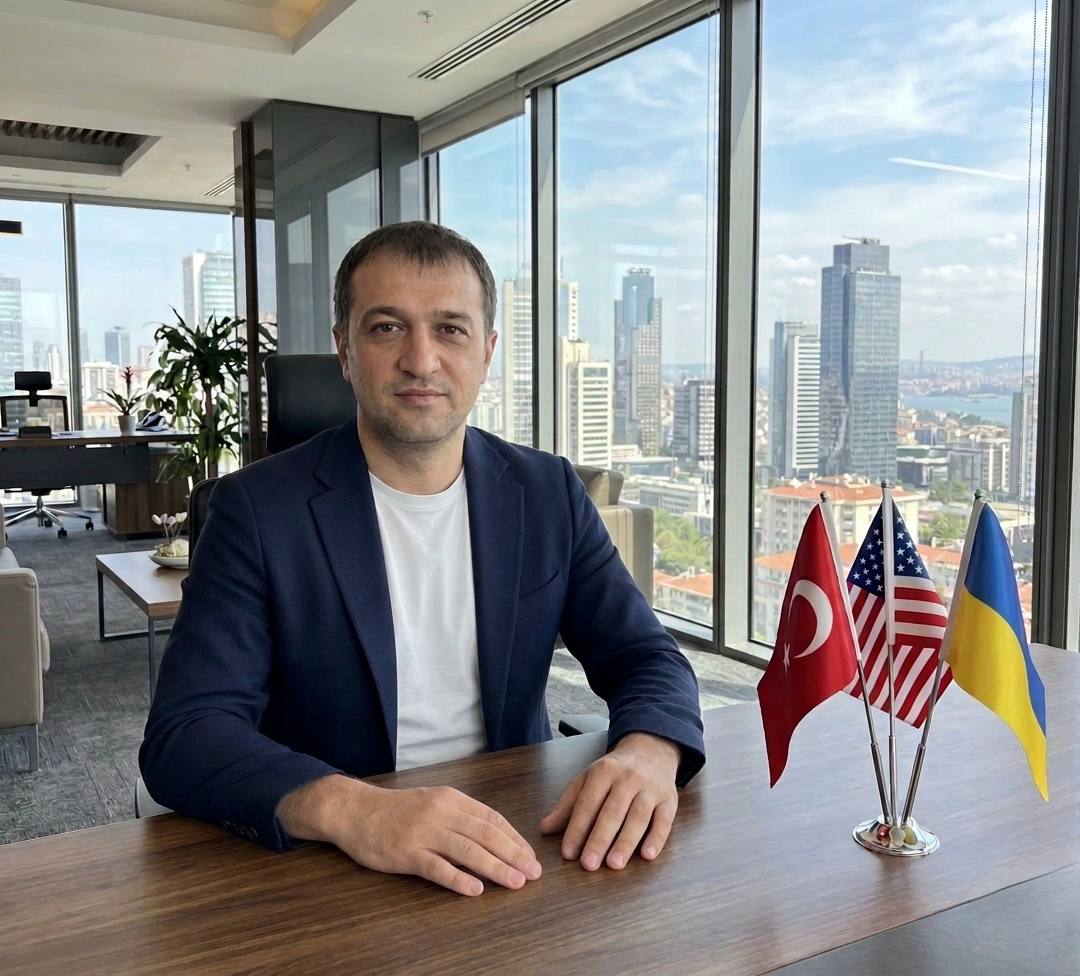
Sixteen years is a long time to work with one country's manufacturers. Long enough to stop being surprised. Long enough to know which problems are avoidable and which are structural. Long enough to have made enough mistakes — and watched enough buyers make them — to know exactly where things go wrong and why.
This is not a promotional piece. It is what I actually know about working with Turkish manufacturers that most international buyers find out only after something goes wrong.
Turkish Manufacturers Are Excellent — Under the Right Conditions
Let me start with what is true: Turkish manufacturers produce world-class goods. The quality of Turkish furniture, apparel, home textiles, cosmetics, footwear, and dozens of other categories is genuinely competitive with European equivalents at prices that European factories cannot match. This is not marketing. It is observable fact across thousands of production runs over sixteen years.
But quality is not automatic. It is a result of conditions. And the conditions have to be created deliberately by the buyer — or by whoever is representing the buyer on the ground.
Turkish manufacturers perform at their best when the relationship is structured, the specifications are documented, and the accountability is real. They perform inconsistently when the relationship is informal, the brief is vague, and there are no consequences for deviation.
This is not unique to Turkey. It is true of manufacturers everywhere. But in Turkey, where relationships and trust are central to business culture, the absence of structure is often misread as flexibility. It is not flexibility. It is ambiguity — and ambiguity produces variable outcomes.
Always Have a Contract — With Penalty Clauses
The most common mistake I see international buyers make with Turkish manufacturers is treating a verbal agreement or an email exchange as sufficient documentation for a production order.
It is not.
Every order, regardless of size, requires a written contract. The contract must specify the product to exact technical specification, the delivery timeline with specific dates, the payment terms, and — critically — the penalty structure for late delivery and quality deviation.
Turkish manufacturers will sign contracts with penalty clauses. They are not resistant to accountability in writing — they expect it from serious buyers. What they interpret from a buyer who does not insist on a contract is that the buyer is either inexperienced or not serious. Neither interpretation leads to the best production outcomes.
The penalty clause does not have to be aggressive. A standard structure — a percentage reduction in final payment per week of delay, a defined remediation obligation for quality deviation — is sufficient. The existence of the clause changes the dynamic. Deadlines become real. Quality standards become enforceable.
The Sample Passport Is Not Optional
Every production run at Trade Istanbul Hub begins with a confirmed sample and a Sample Passport — a technical document that records exactly what was approved.
I introduced this process after watching buyers confirm samples verbally or by photograph and then dispute whether the production matched the sample. Without documentation, both sides are right and both sides are wrong simultaneously. The dispute is unresolvable because there is no reference point.
The Sample Passport eliminates this. It records material composition, weight, dimensions, colour references, finish specifications, and packaging requirements. It is signed by both parties. Every subsequent quality check — during production and before shipment — is measured against this document.
Manufacturers do not resist this process. They appreciate it. It removes ambiguity from their side as well. They know exactly what they are being asked to produce and exactly how it will be evaluated.
Never Release a Shipment Without Pre-Shipment Inspection
This is the rule I enforce without exception. Nothing leaves Turkey without inspection.
I have seen buyers skip pre-shipment inspection to save the cost — typically a few hundred dollars — and receive containers of goods with deviations that cost tens of thousands to resolve. The inspection cost is always less than the problem it prevents.
Pre-shipment inspection means physically checking the production against the Sample Passport before the goods are loaded. Our team conducts this inspection directly for categories where we can do so — furniture, apparel, textiles, tableware, footwear. For categories requiring laboratory verification — cosmetics, cleaning products, food, certified auto parts — we use accredited inspection services.
The buyer receives the inspection report. The balance payment is made after the inspection report is reviewed and approved. This sequence is non-negotiable.
You Can Always Negotiate With Turkish Manufacturers — If You Know How
Turkish business culture is relationship-based. Trust is built over time, through consistent behaviour, through keeping commitments, and through treating the manufacturer as a long-term partner rather than a one-time transaction.
Within an established relationship, Turkish manufacturers are among the most flexible in the world. Lead times can be compressed for priority clients. MOQs can be adjusted for buyers with long track records. Payment terms can be structured around project timelines. Problems can be resolved quickly when the relationship is solid.
Outside of an established relationship — on a first order, with an unknown buyer, without references — the manufacturer's default is caution. They will not tell you this. They will accept the order. But the priority they give your production, the responsiveness of their communication, and the attention to detail in execution will reflect the relationship level.
This is why representation on the ground matters. When Trade Istanbul Hub places an order with a manufacturer in our network, we are not an unknown buyer. We are a known partner with a track record of consistent orders, clean documentation, and reliable payments. That relationship transfers to every buyer we represent.
What Sixteen Years Actually Taught Me
It taught me that the gap between a successful sourcing operation and a failed one is almost never about product quality. Turkish manufacturers can produce excellent products. The gap is almost always about process — whether the brief was documented, whether the contract was structured, whether the sample was confirmed correctly, whether someone was present at the factory during production, whether the inspection happened before the shipment left.
Process is not bureaucracy. Process is the difference between a predictable outcome and a gamble.
Every buyer who works with Trade Istanbul Hub gets this process applied to their orders — not because it is our policy, but because sixteen years of experience has made it the only way I am willing to work.
Related Articles
Explore more from Trade Istanbul Hub:
Oleksandr Peters
"Every manufacturer in our network has been personally vetted by me. I guarantee the quality of each partnership and stand behind every sourcing decision."